
ANALYSIS
six nations
Published 03 March 2026



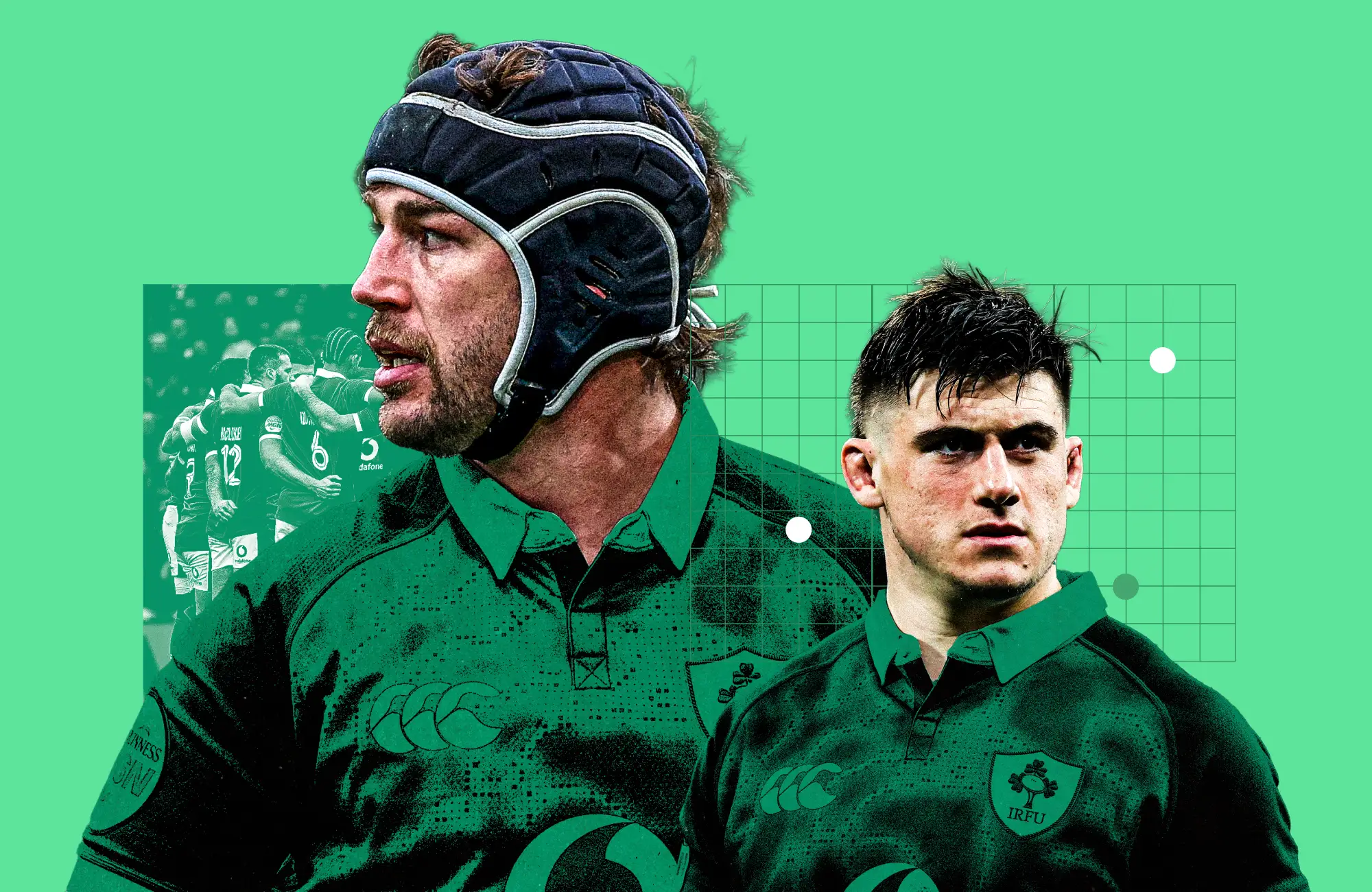
The exhilarating feeling for more than 20,000 Irish fans in Twickenham two weekends ago was all the greater because of what happened in Paris a fortnight before. From the doom and gloom after Stade de France – the concern over whether Ireland were a spent force, the worry that senior players were on the decline – rose a thunderous new wave of optimism about Andy Farrell’s team.
In between, victory over a much-improved Italy team got Ireland back on a winning track, but it was a mixed bag of a performance. For now, that game may be the best barometer of where Ireland are. Yet their showing in Twickenham resets the level to chase.
By his standards, Farrell was scathing of his team post-Paris, calling into question their intent. Having made it clear that such timidity wasn’t acceptable, Farrell built his players’ confidence, reminding them of the brilliance they’re capable of. That culminated in a record-breaking hammering of the English.
Now, Ireland have a shot at securing the Triple Crown for the second year in a row, with Wales and Scotland to visit Dublin in the next two weekends.
So this is the story of how Farrell’s team turned things around. There are still concerning elements of their form, but the Ireland boss has got supporters believing again.
It said everything that Andy Farrell celebrated Ireland’s last-gasp defence more than their flourishing attack in London. The coaching box scenes were wild. After Ireland failed to go to a dark place in Paris, Farrell demanded it at Twickenham and they dug in repeatedly, even when the game was over as a contest.
As the graph below shows, missed tackles in Paris led swiftly to French tries and breaks, but Ireland have improved notably in their ability to deal with those moments.
Ireland had to make 44% of all of their tackles against England inside their own 22, underlining how much pressure they came under in that area. Yet it remains a worry that only Wales have conceded more linebreaks than Ireland in this championship. The attack in London was fun but moments of scramble defence provided Farrell’s highlights. Most memorable of all was Stuart McCloskey’s remarkable trackback.
“Those types of things matter more than scoring tries.”
England v Ireland
72:52
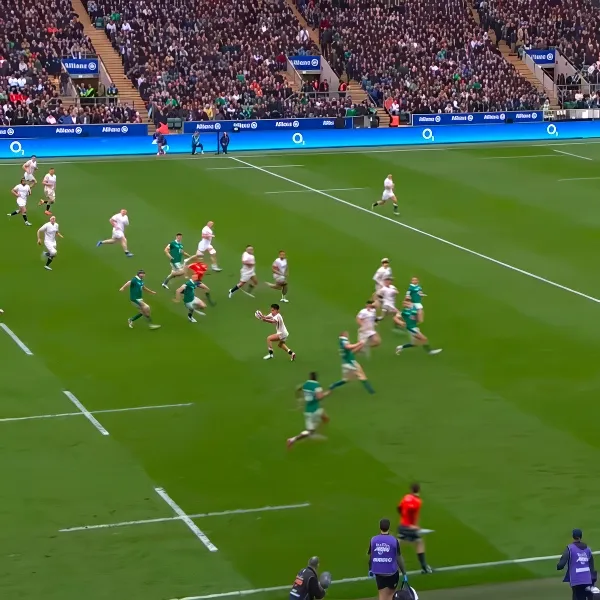
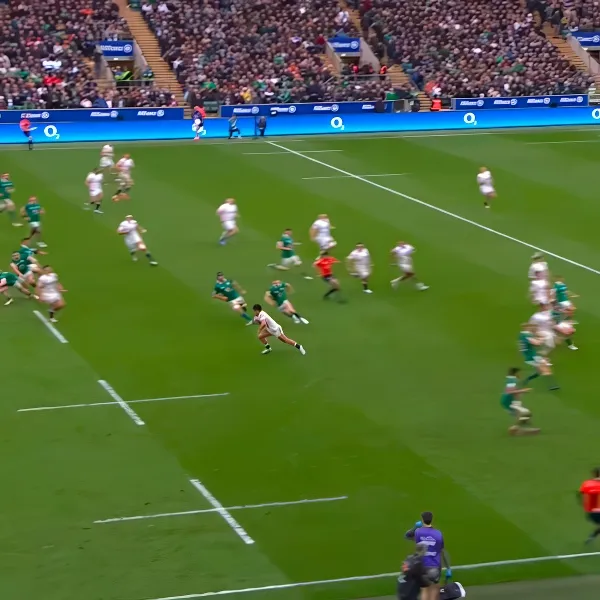
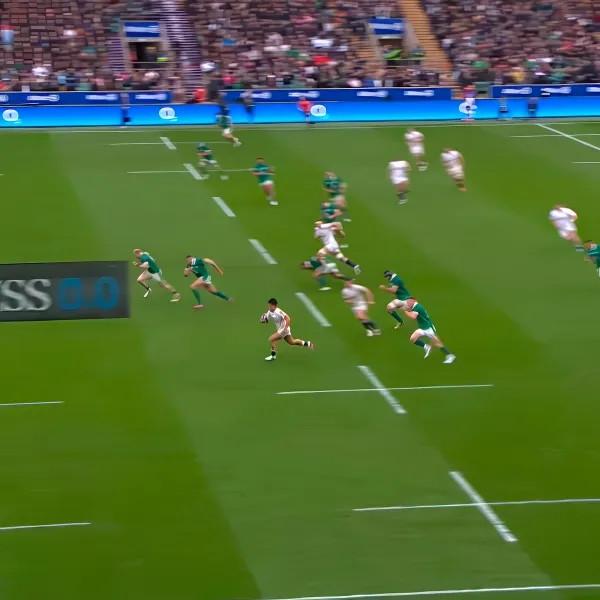
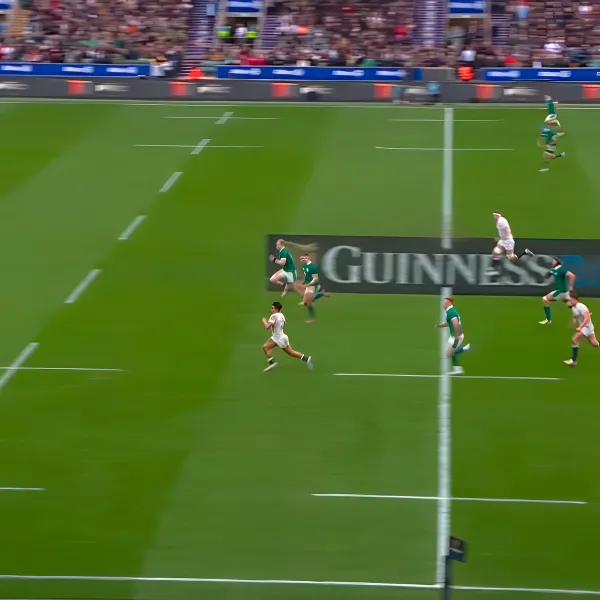
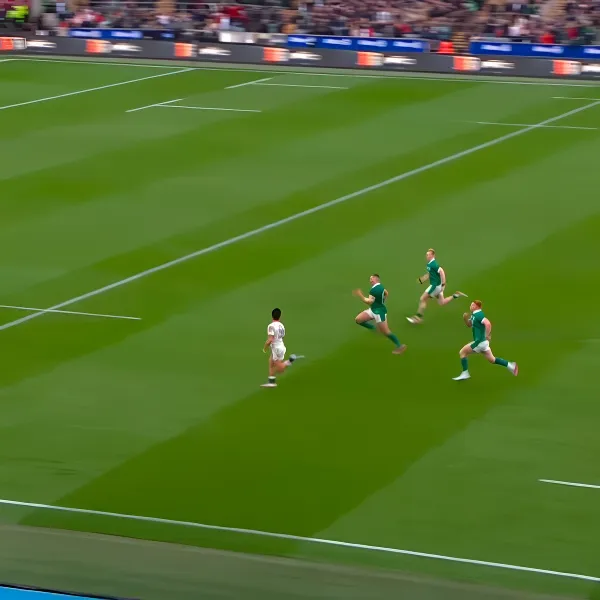
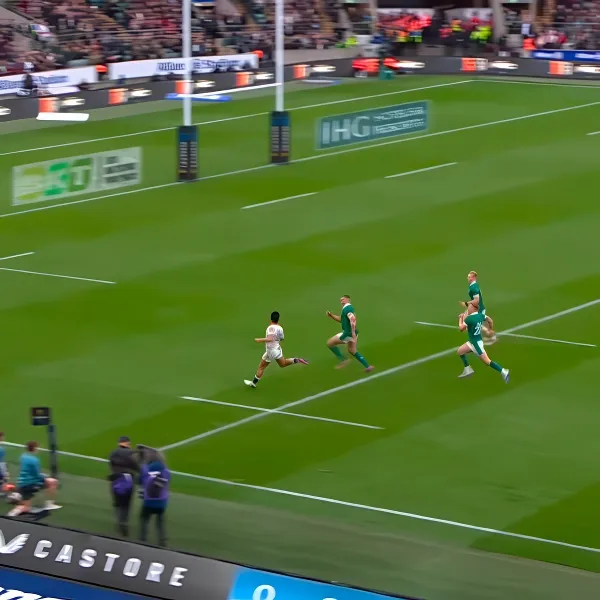
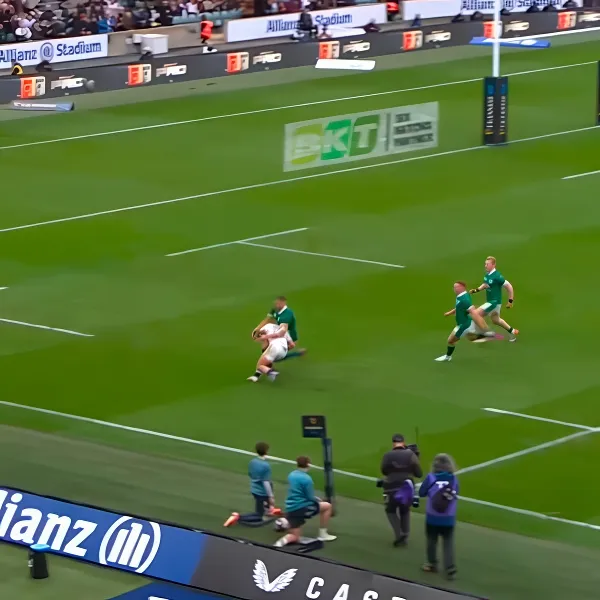
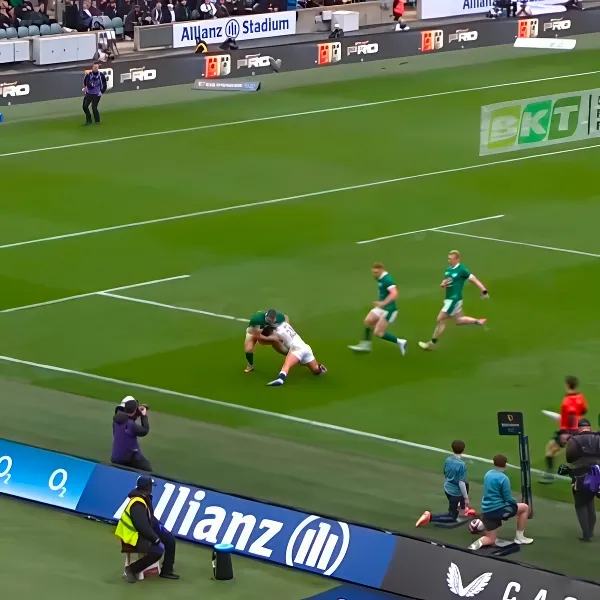
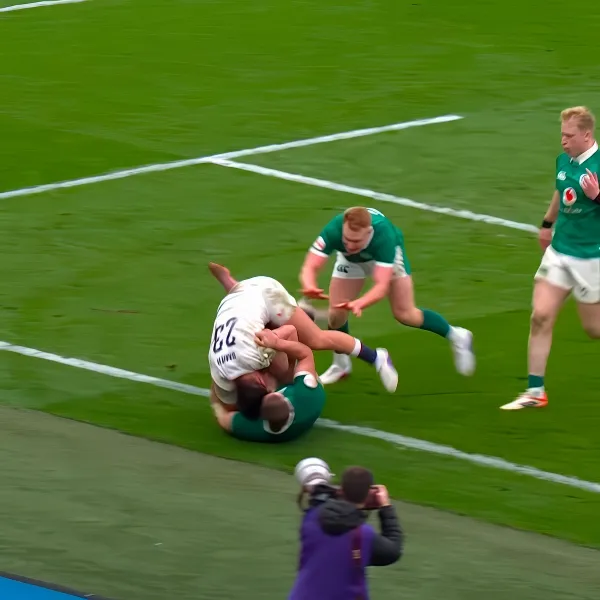
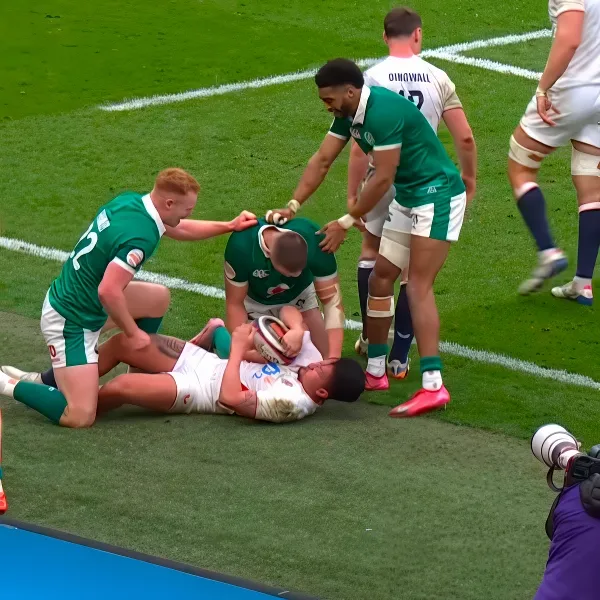
It looked a near-certain English try when Marcus Smith intercepted. He’s known to be quick off the mark. McCloskey isn’t renowned for his pace. But the Irish centre’s alertness, effort, and sheer desire summed up Ireland’s spirit.
One of Ireland’s most damaging problems in Paris was their inability to win aerial contests on a night when they launched contestable after contestable. The idea was to win them back and launch attacks from there, but they had remarkably little success in the air. Farrell reacted by dropping wings Jacob Stockdale and Tommy O’Brien for the Italy game, with Robert Baloucoune and James Lowe coming in.
The graph below shows how Ireland have improved drastically when it comes to winning their own contestables, as well as highlighting how Italy and England have had far less success in the air against Ireland than France did.
This is a pivotal part of Test rugby at the moment, so Ireland’s improvement under the high ball has been key to turning things around. And it was fitting that O’Brien, returning off the bench, provided one of the most memorable examples in this regard in London.
“We want to be the best team in the world at the aerial game”
England v Ireland
26:30
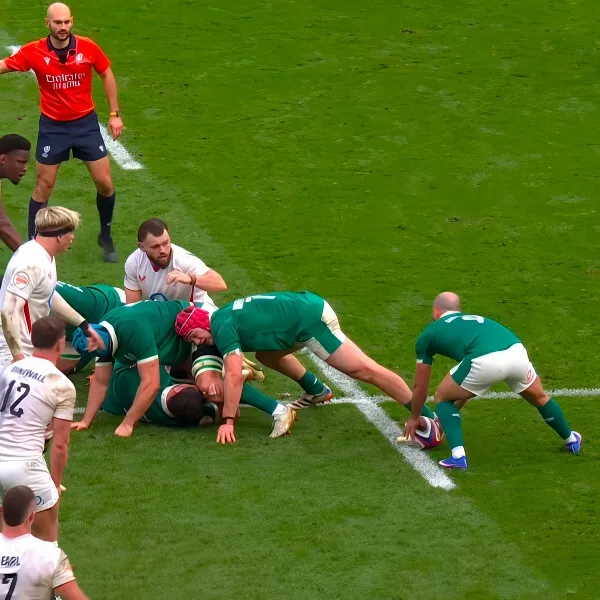
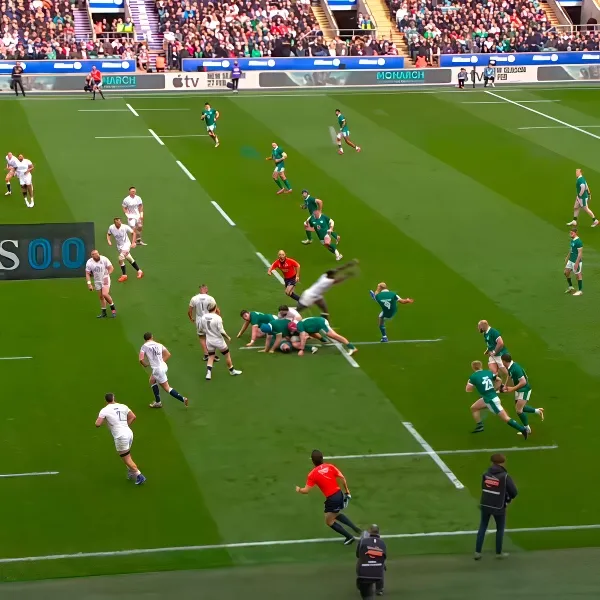
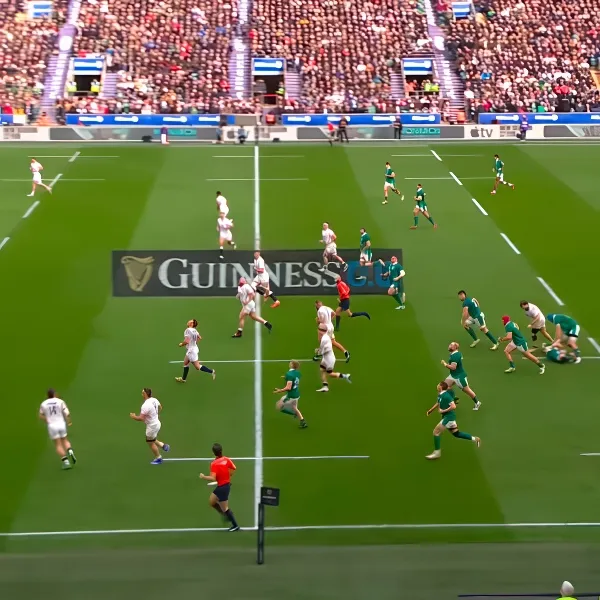

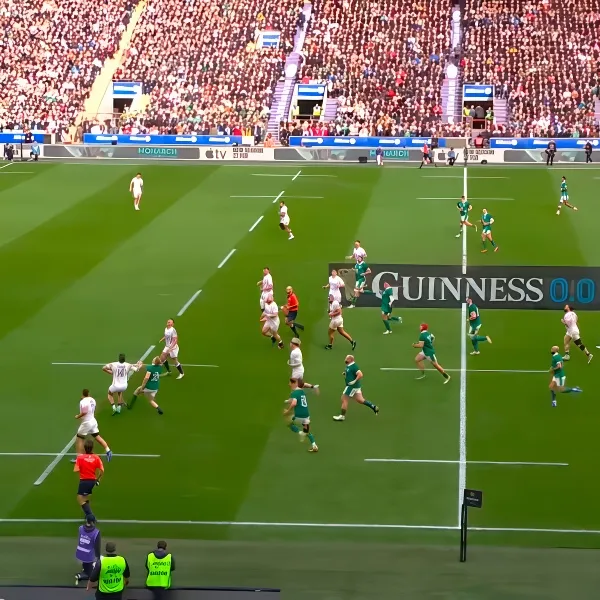
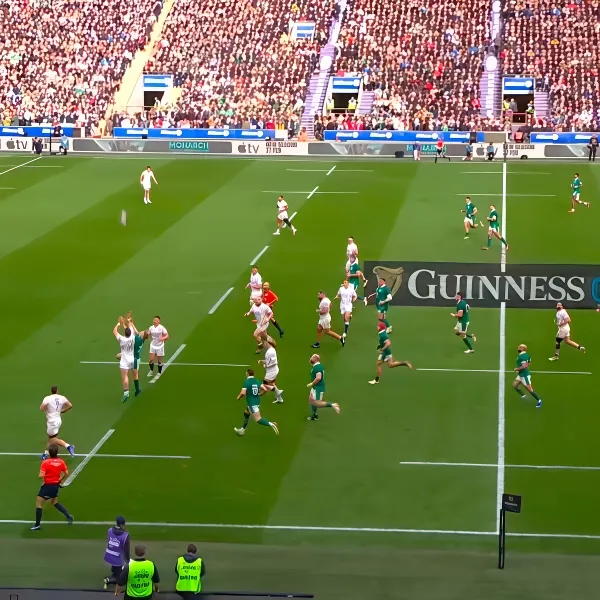
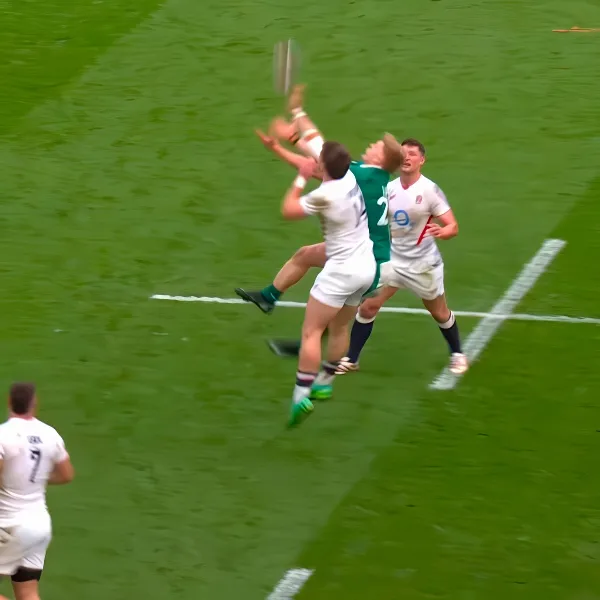
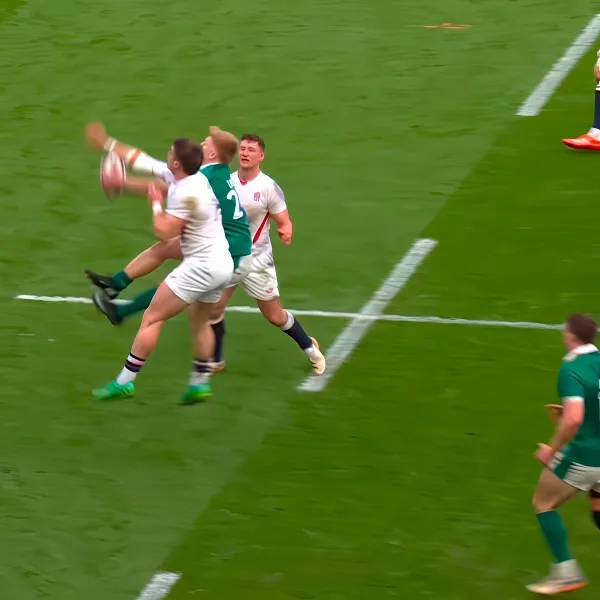
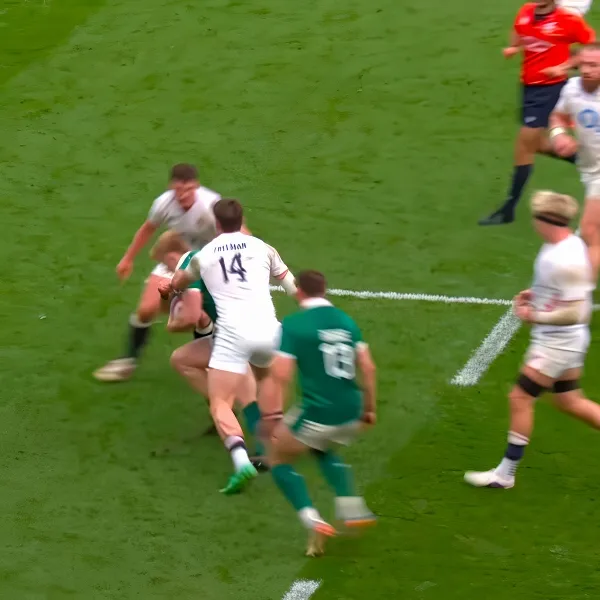
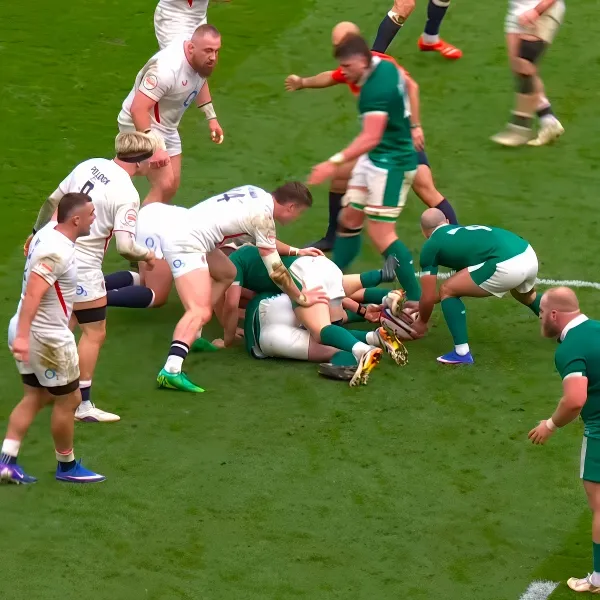
Jamison Gibson-Park’s towering box kick gives O’Brien a chance to get underneath the ball. With England showing relative uncertainty, the Irish wing shows intent and skill to beat the retreating Tommy Freeman. It leads to Baloucoune’s try.
Farrell’s Ireland team have always taken belief and joy from picking apart defences. Their confidence in this area of the game had been low, but the last two games have seen them get their mojo back.
As things stand, Ireland’s combined tally of 125 linebreaks, defenders beaten, and offloads is second only to France’s stunning 194. Ireland have found a clinical edge to their attack against Italy and England, who have simultaneously struggled to match France in converting chances.
Baloucoune’s eight-phase try against Italy was “as good a try as we’ve ever scored,” according to Farrell. The Italy game also showed that Ireland have been working on their transition attack, which was an even bigger threat against England.
The best example came from O’Brien’s aerial win, with Ireland striking ruthlessly at speed in transition. It’s not something we have always associated with this team.
England v Ireland
26:41
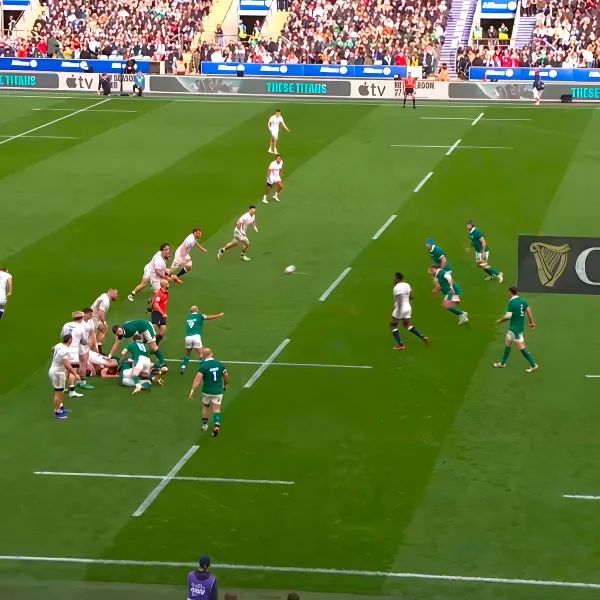
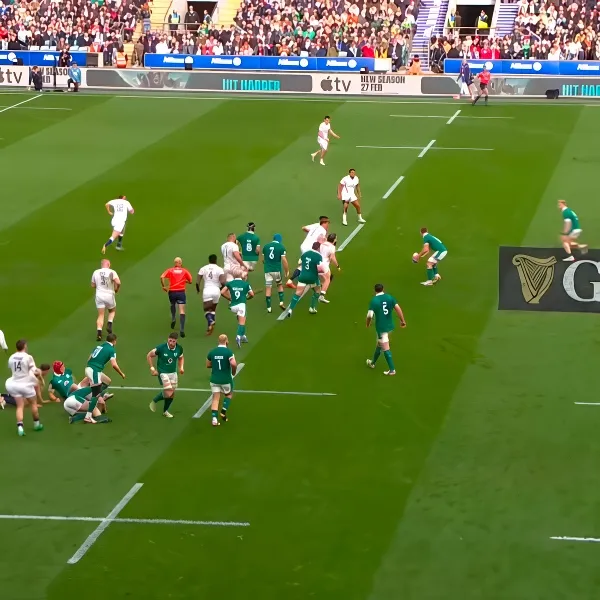
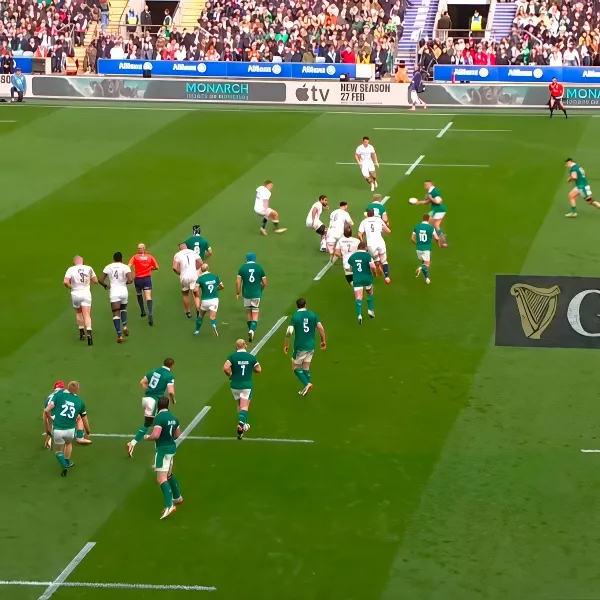
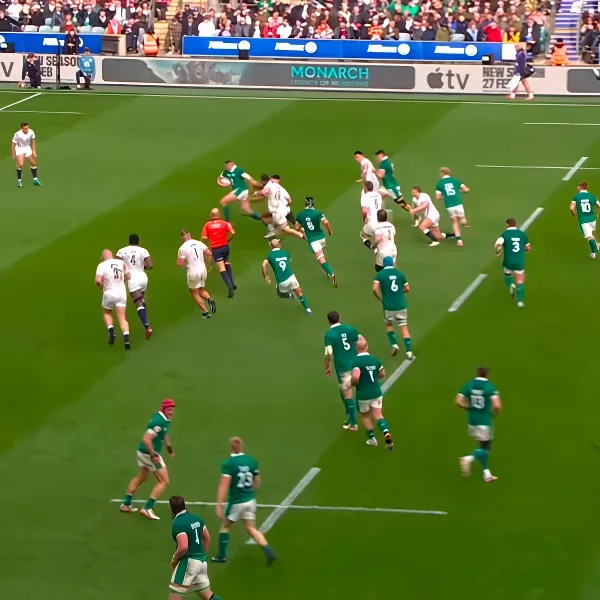
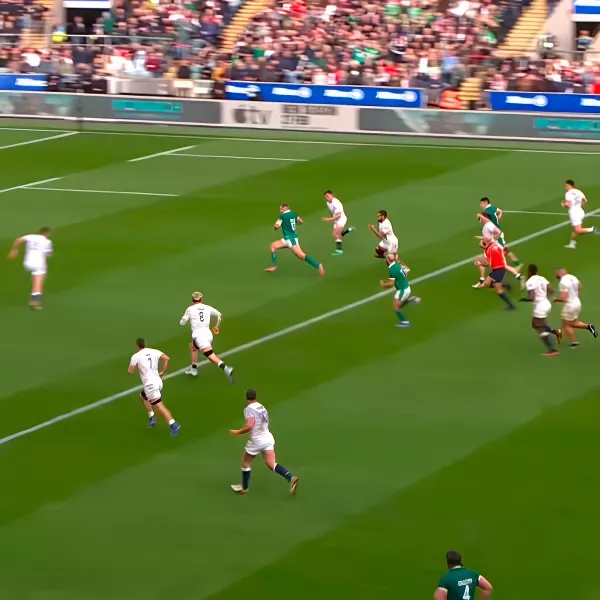
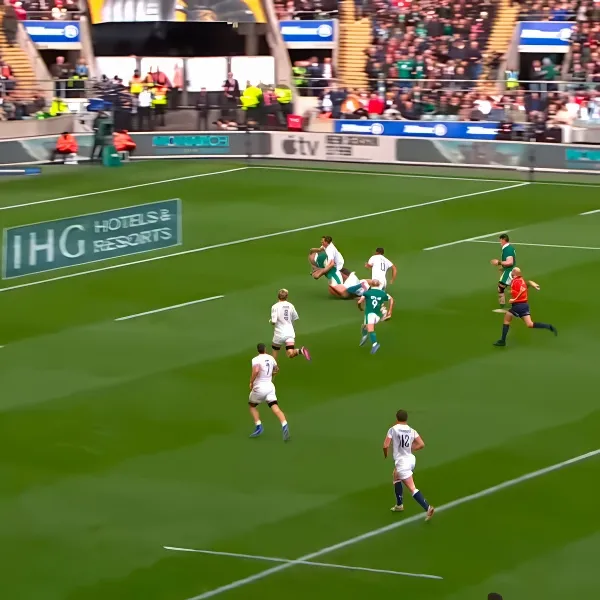
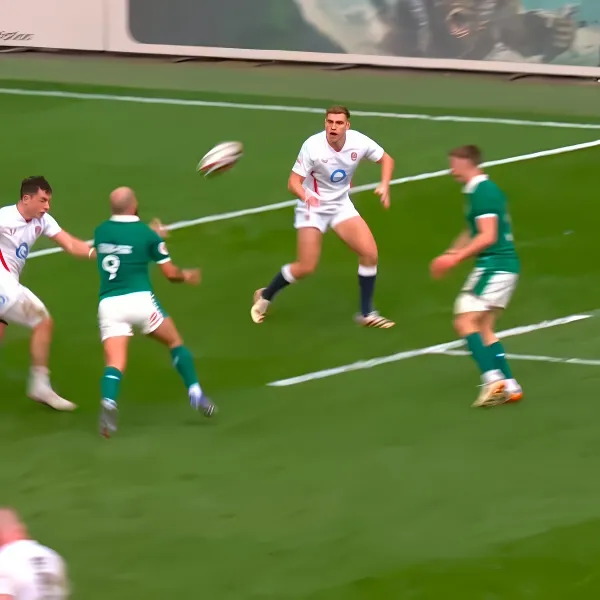
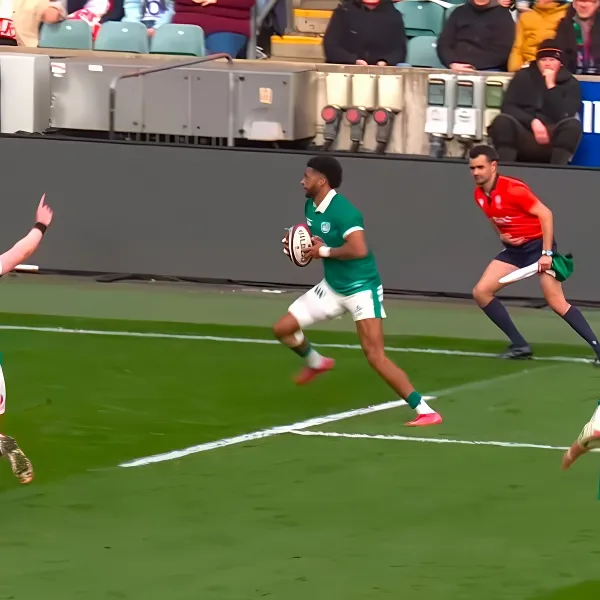
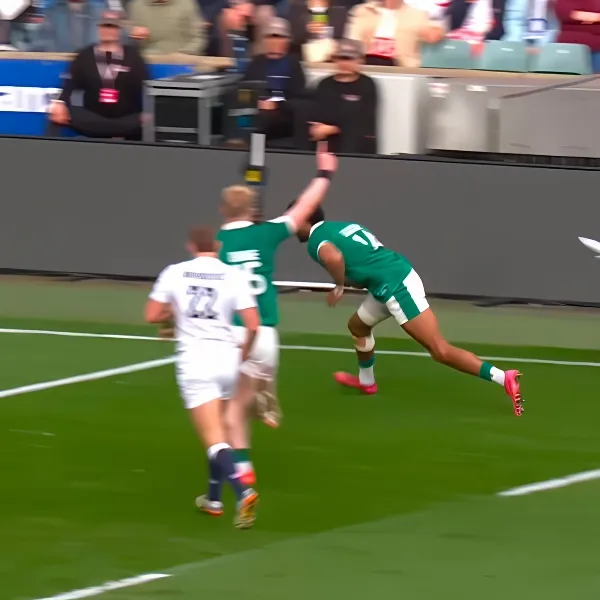
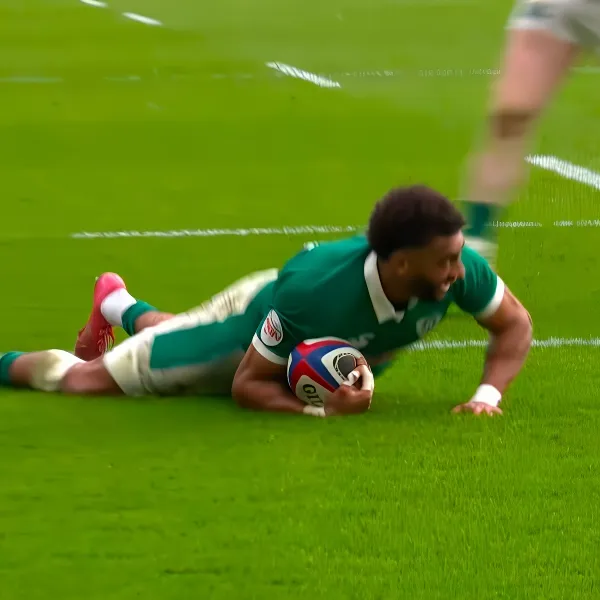
After O’Brien wins the contest, Ireland identify space on their right and move the ball without delay. England’s defence is disorganised due to the speed of the attack. McCloskey breaks and Gibson-Park puts Baloucoune away in the corner.
There have been concerns over Ireland’s lineout at times in the last couple of seasons but they’ve had 92% success on their throw in this Six Nations. Overall, their maul defence has been strong, especially against France.
The Irish scrum has struggled, though, conceding a championship-worst 10 penalties. Italy and England have both done serious damage against Ireland and while those are the two best scrums in the Six Nations, it’s an area Ireland want to improve in.
An alarming 44% of all opposition scrums against Ireland have resulted in Farrell’s men conceding a penalty. It will be a relief to scrum coach John Fogarty and co. that Wales and Scotland haven’t yet shown the destructive qualities of England and Italy. But there were some tough moments in those two games.
Ireland v Italy
64:35

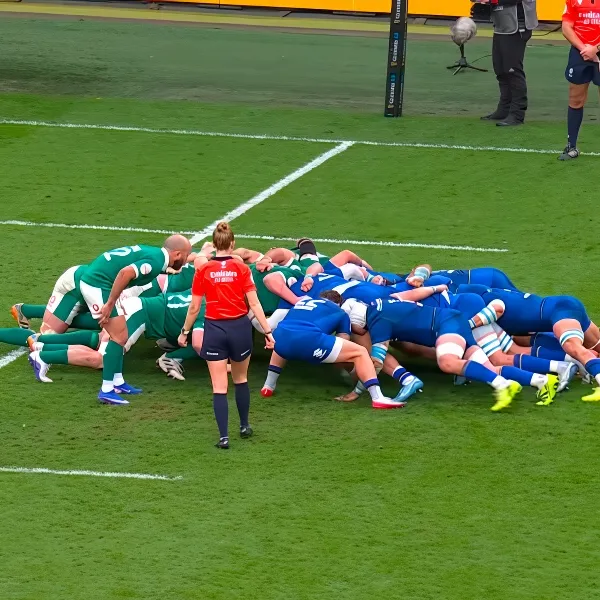
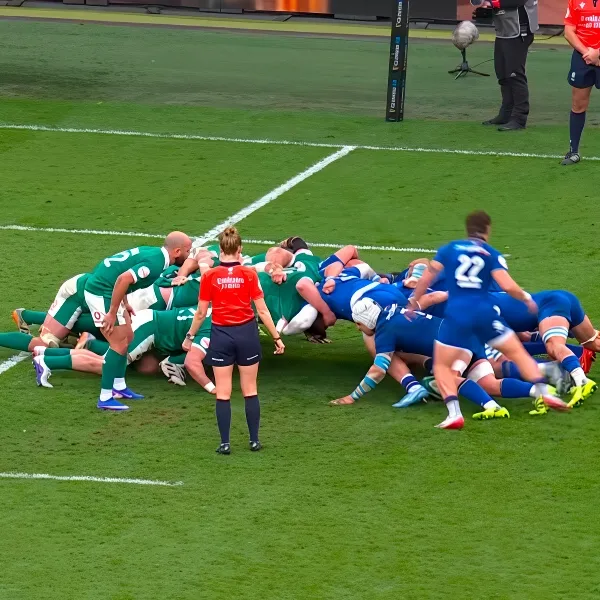
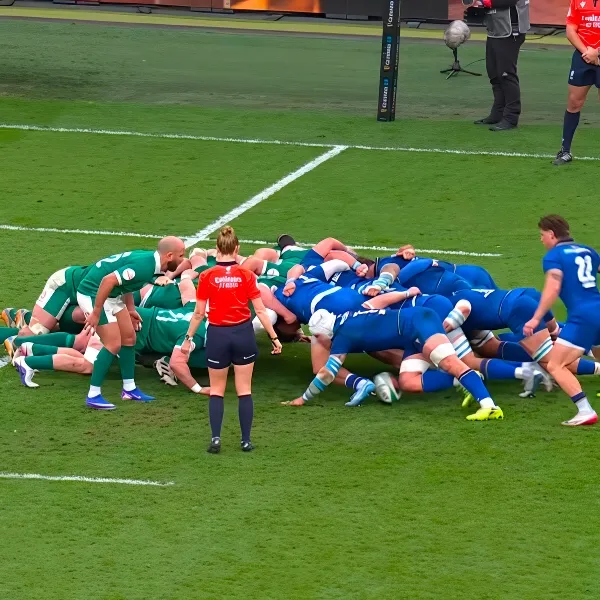
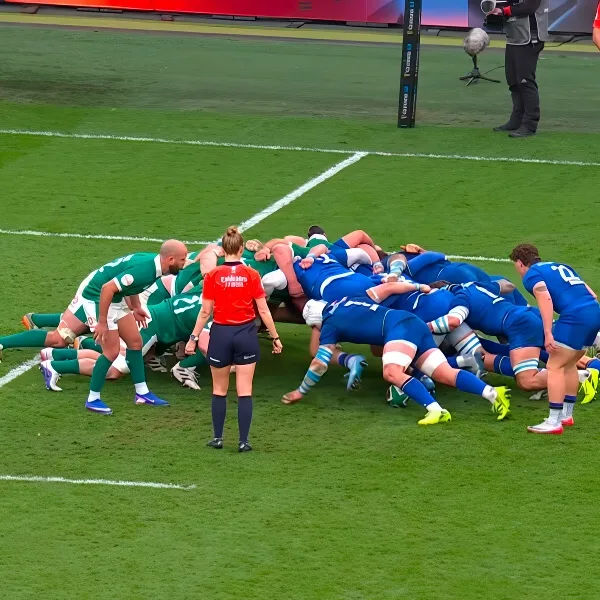
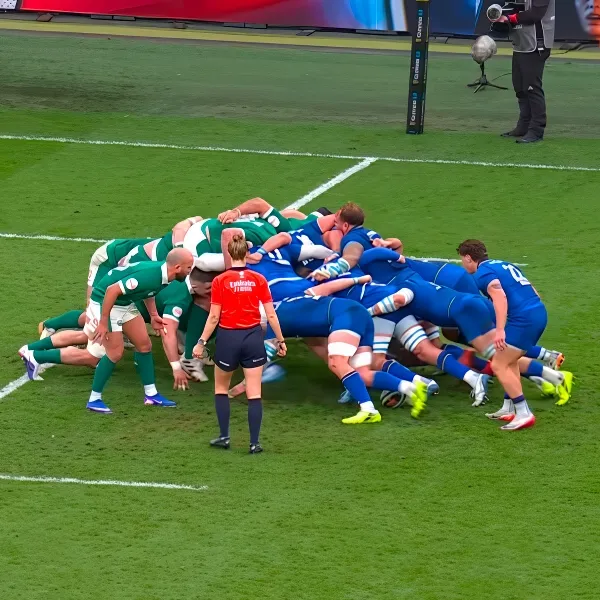
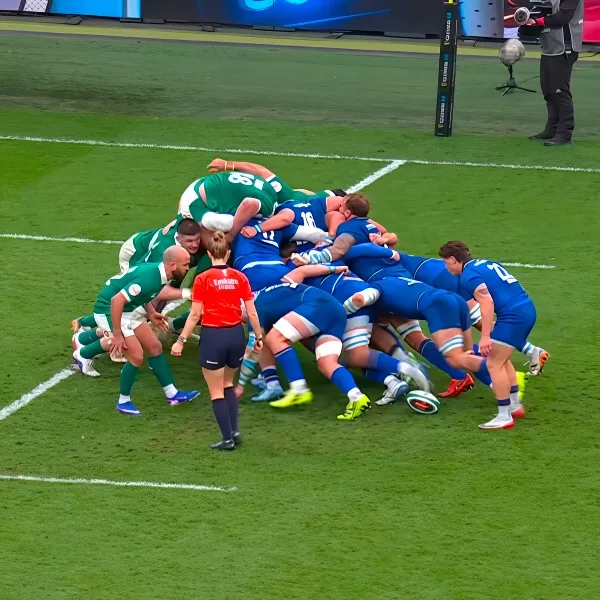
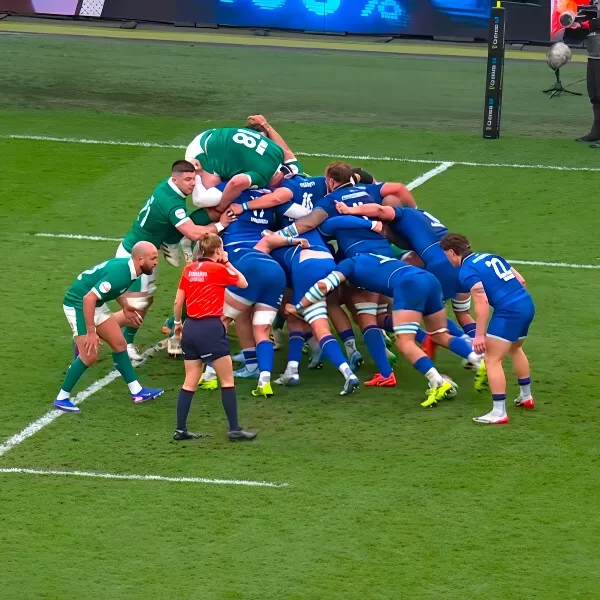
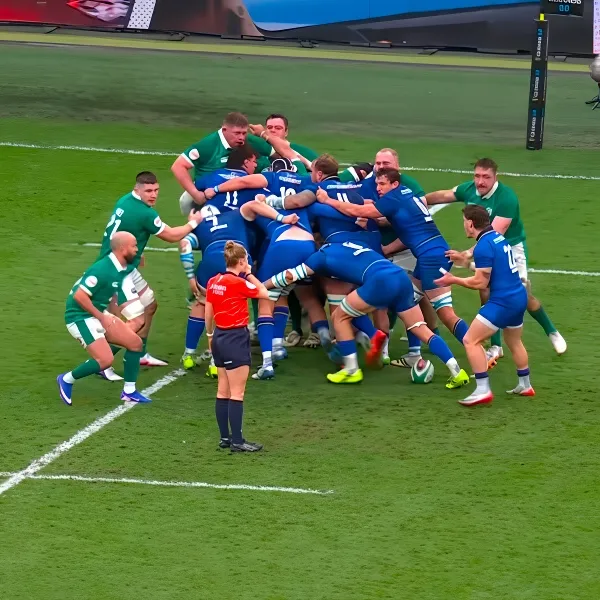
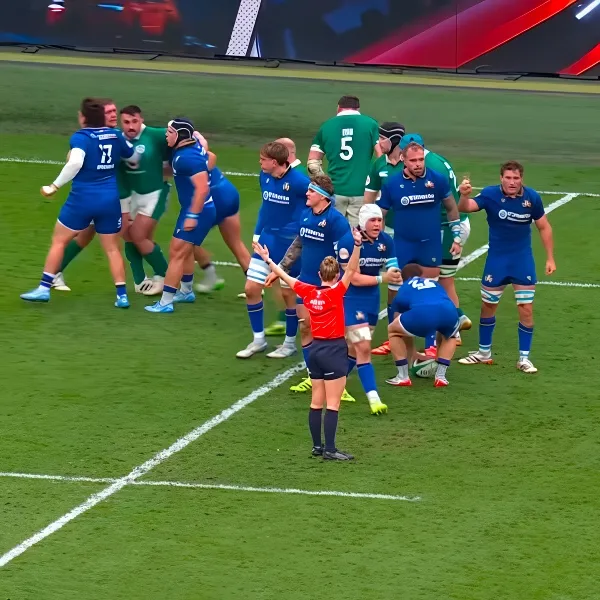
Highly experienced tighthead Tadhg Furlong ‘got his wings’ in one scrum against the Italians. The Wexford man felt Ireland’s height, entry, and angles were poor in that game, allowing Italy to isolate two-on-ones in the scrum.
Ireland have used 30 players so far, only just behind Wales’ 32 and France’s 31. Captain Caelan Doris and the influential Stuart McCloskey are the only men to have played all 240 minutes, with Jamie Osborne and Garry Ringrose the next two busiest.
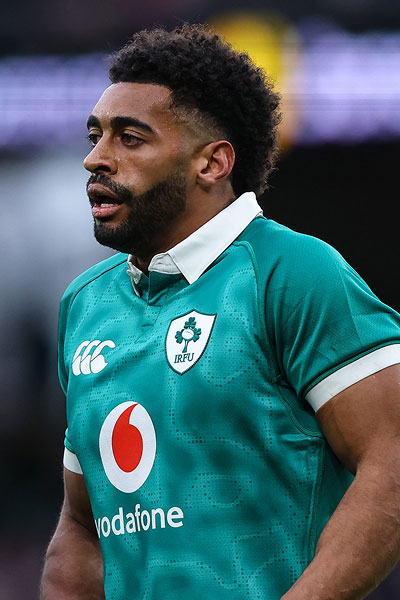
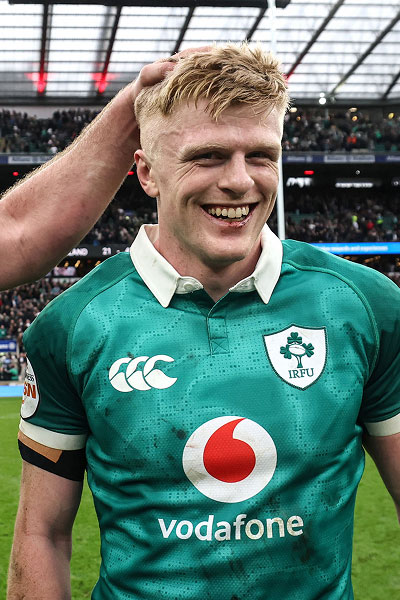
With a crop of leading players missing due to injury, Farrell’s hand has been forced when it comes to selection. Seven players have made Six Nations debuts, with O’Brien, Baloucoune, Cian Prendergast, Nick Timoney, Cormac Izuchukwu, Michael Milne, and Edwin Edogbo stepping up, with Edogbo winning his first cap against Italy.
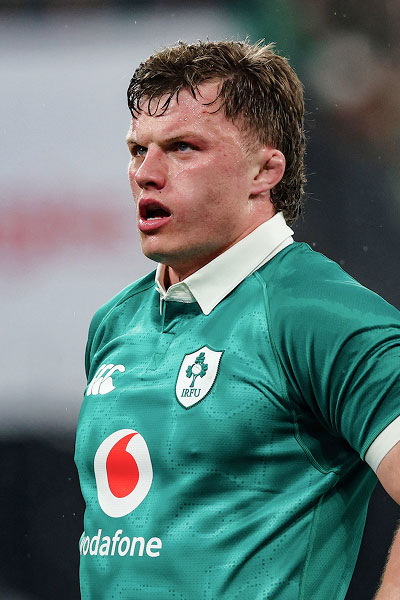
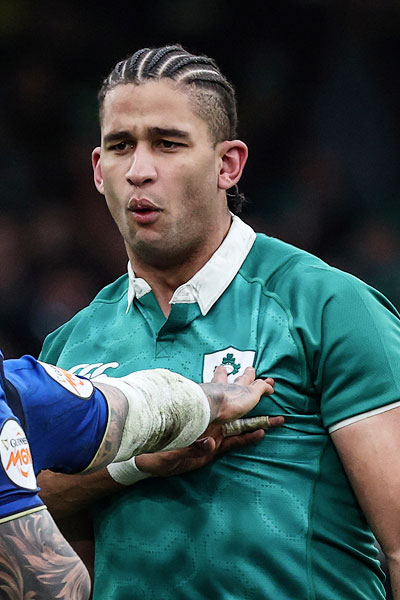
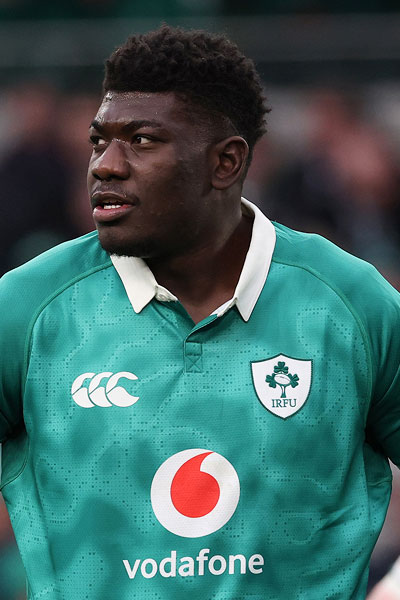
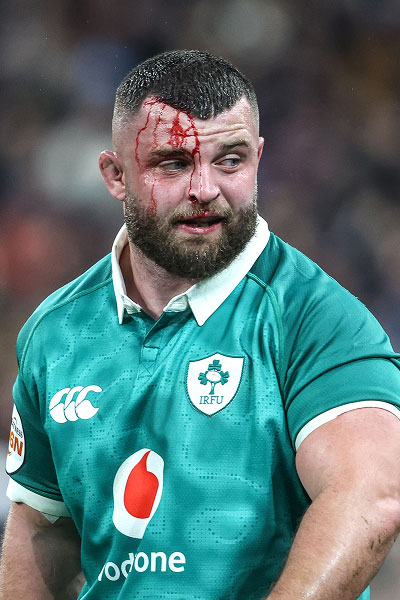
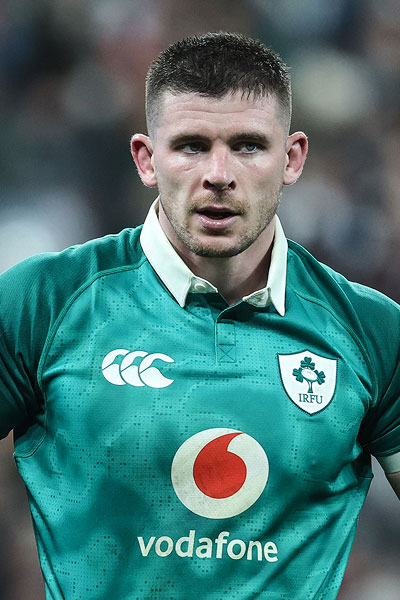
“The potential in the squad is huge. We want to be at our best in 18 months’ time.”
Yet even while pre-Six Nations injuries meant Farrell had to cast the net a little wider, he has shown a willingness to mix things up in this championship, which was the first in which the three opening rounds were played on consecutive weekends.
With six personnel changes for the Italy game, then five ahead of the England clash, Ireland delivered their highest-energy and best performance in Round 3.
Sam Prendergast started the opening two games of the championship at number 10 before Jack Crowley took over there at Twickenham. Despite the woe in Paris, the vast majority of players who have been given chances in this Six Nations have managed to seize them. With the 2027 World Cup looming, that has been welcome.
Author
Murray Kinsella
Editor
Niall Kelly
Design & Development
Jordan Huysmans & Niall O’Shea
Real Rugby Fans Need Real Analysis
The 42 is the definitive voice on Irish sport. Our experts break down the game's defining moments and make sense of the biggest stories in easy-to-follow formats.
A subscription unlocks every article and every podcast from Murray Kinsella and our entire award-winning team.
suBSCRIBE TO the 42
